
The Art of Real Estate Photography
Photography Services
Cutting-edge photography techniques that enhance your real estate listings.
Lighting & Color
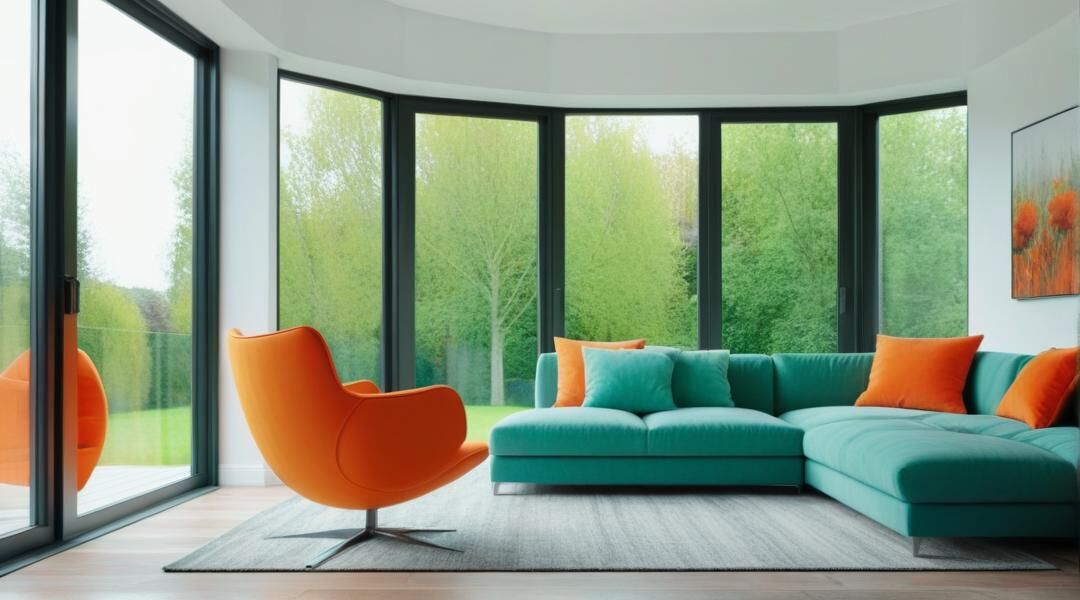
Creating Media that Moves is based on understanding and controlling light. When light reflects off of a wall, we perceive the color that is NOT absorbed. Pure black absorbs all color while pure white reflects all color. However, this is greatly influenced by the color of the light that is shining on the wall, pure white vs. other shades. These different shades of color are referred to as a light's Kelvin or "K" value and describe how warm, neutral or cool the light is perceived.
We perceive the color of a wall based on the color of the paint, but that color can change significantly depending on the qualities of the light that is shining on it. The very reason that museums will have soft, warmer light for its ambience in walking areas while there will be white lights highlighting the works of art to accurately show color.
The type of photography that you select will influence how a home is perceived. HDR Photography - the standard in real estate photography - uses only ambient light. Therefore, a color cast is created by the nature of the light available, especially interior lighting.
When we add one or more flash exposures to our HDR brackets (a technique known as 'flash+ambient' or flambient photography, and that we refer to below as HDR Plus) to the mix of light, we generate a picture with true colors and texture.
However, the reality is that what people will perceive most of the time they are in the home is driven by the nature of the artificial lighting. So it's totally reasonable to use HDR photography that simply works with the light that is available. After all, that is the light that will be in place when someone goes to view the home.
On the other hand, if you use HDR Plus photography you are showing off a room's true nature - and that is the canvas upon which you or the future homeowner builds with lighting that creates a desired mood and feeling to the space.
Artificial lighting shapes how bright, spacious and inviting a property appears. It affects color fidelity, emotional tone and visual consistency. It is one of the most important and least expensive ways to prepare a home for superior photography and videography results.
Media that Moves
Depends on lighting that feels real, emotional, and precise.
For more information, review our Getting Ready Guide.
HDR Photography
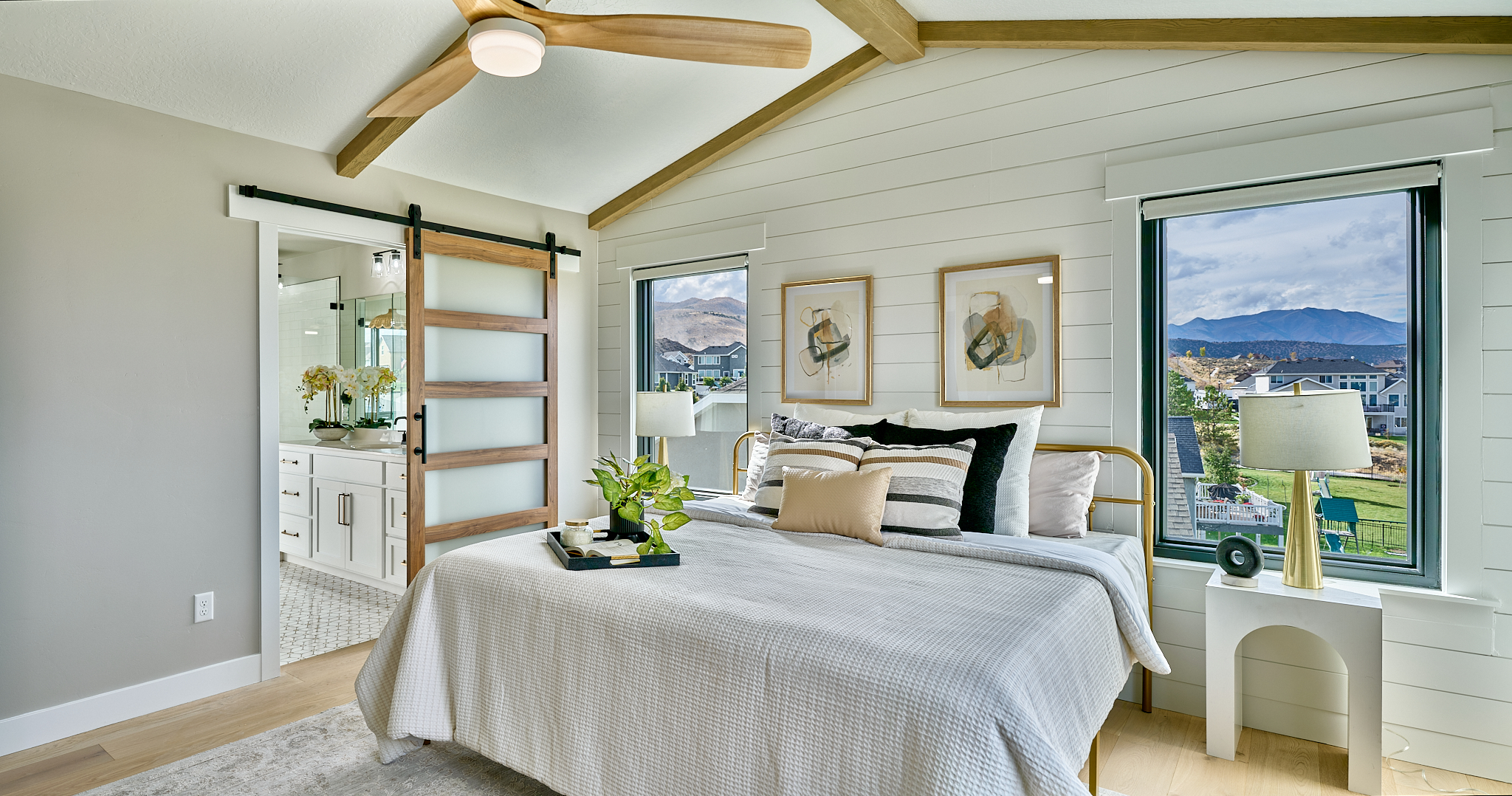
High Dynamic Range (HDR) photography, is the standard for Real Estate. It is a powerful technique that captures a broader spectrum of light and detail than traditional photography can achieve.
The HDR method merges a series of normal, underexposed and overexposed images in post-production, allowing for balanced photographs that highlight both the bright and shadowy areas of a property.
HDR PLUS
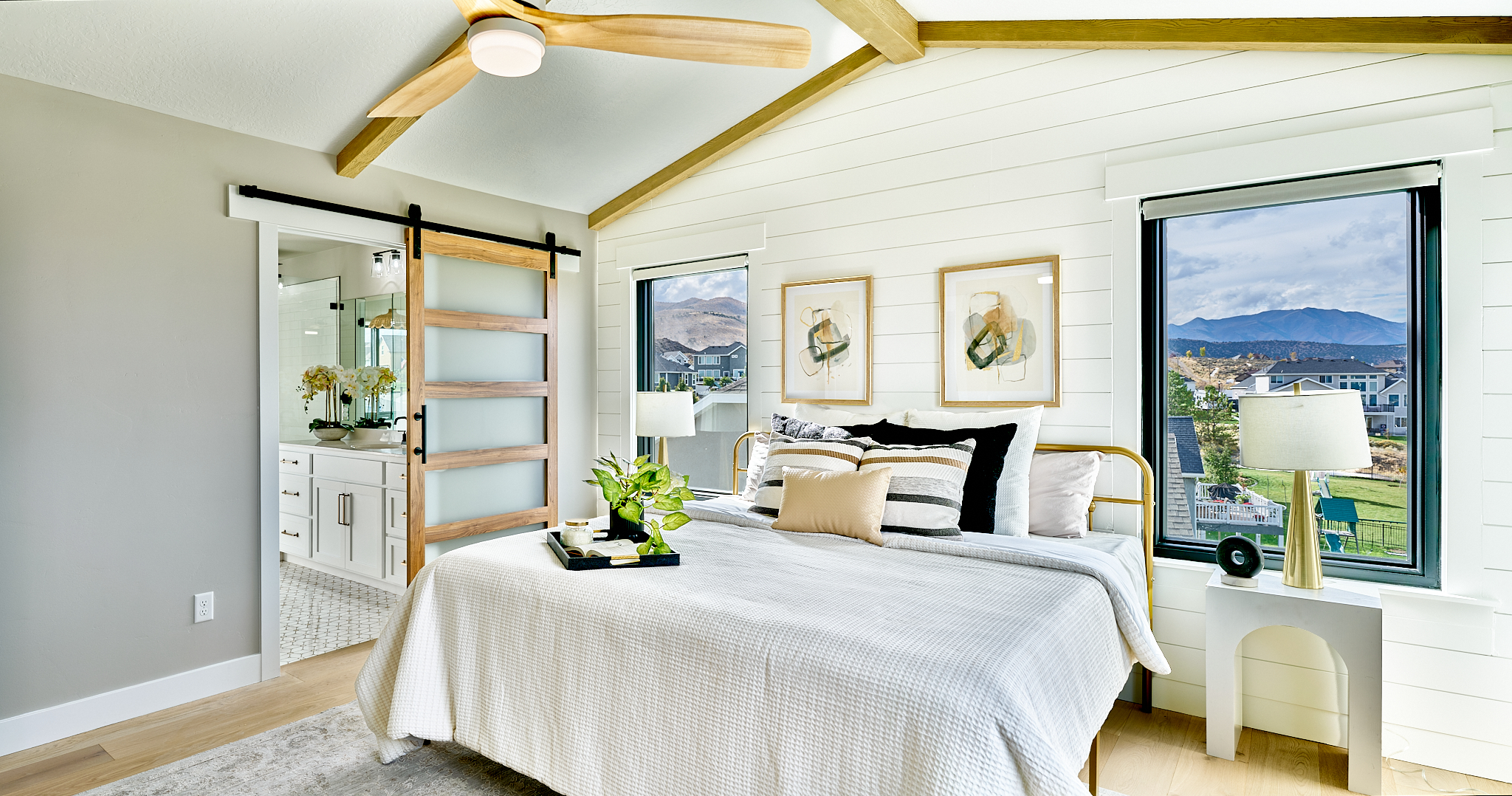
Our HDR PLUS photography elevates visual storytelling in real estate by combining HDR exposures with expertly balanced flash images. This technique captures ambient light while highlighting product details, resulting in vibrant, true-to-life images that help potential buyers envision themselves in the space.
By showcasing textures, colors, and unique features, HDR PLUS photography fosters emotional connections and creates a warm, inviting atmosphere.
Note the differences in this example. Wood tones are warmer, wood grain is more distinct. Walls and bed are better illuminated and show their color more accurately compared to the HDR image above.
Why Our Interior Photos SING!
Ultra Wide Angle Lens
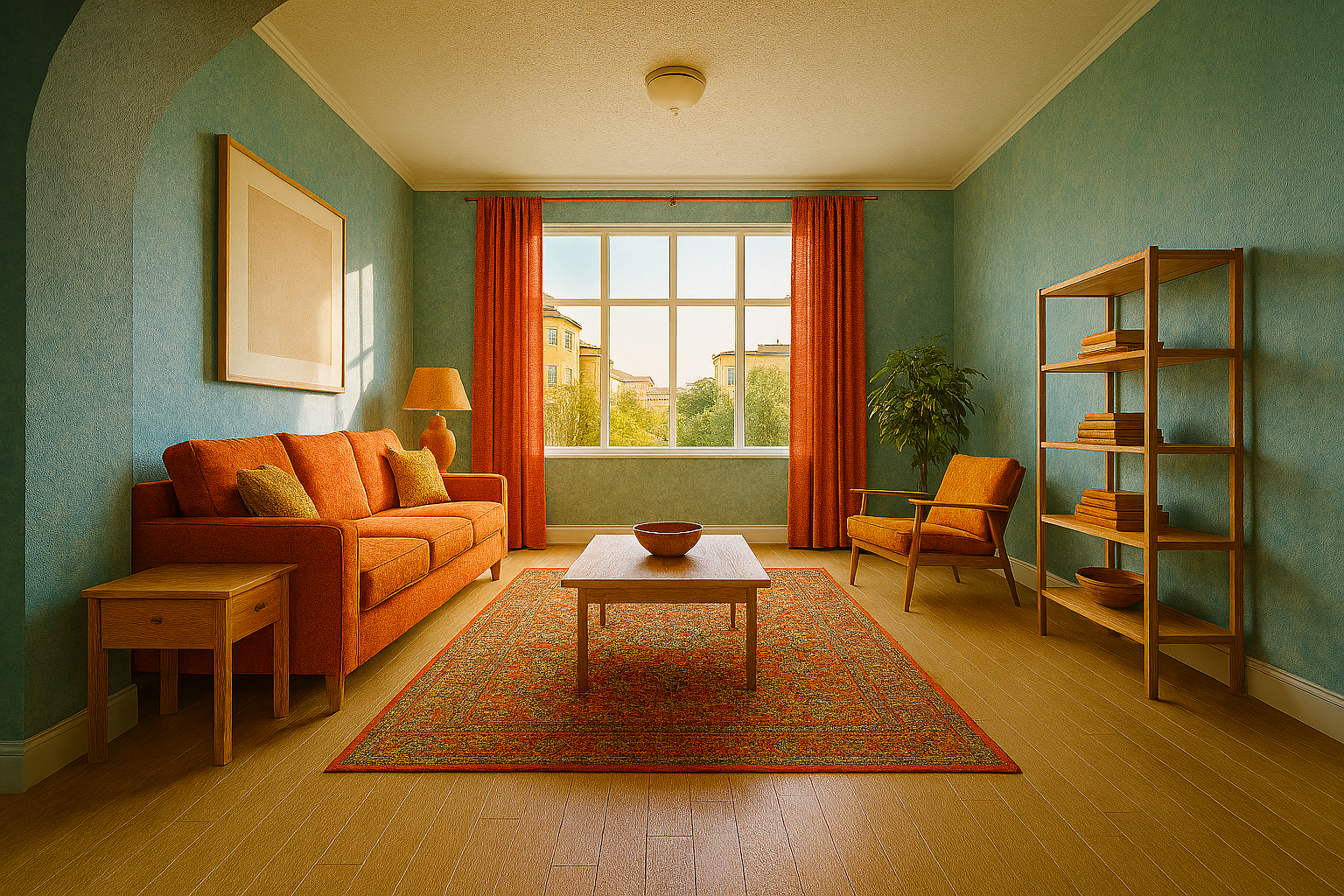
- Perspective: Foreground objects will appear larger, background disproportionately smaller.
- Edge distortion: Vertical lines near the edges will curve.
- Depth of field: Background will appear more distant and slightly blurred.
- Vertical Lines: Will typically converge.
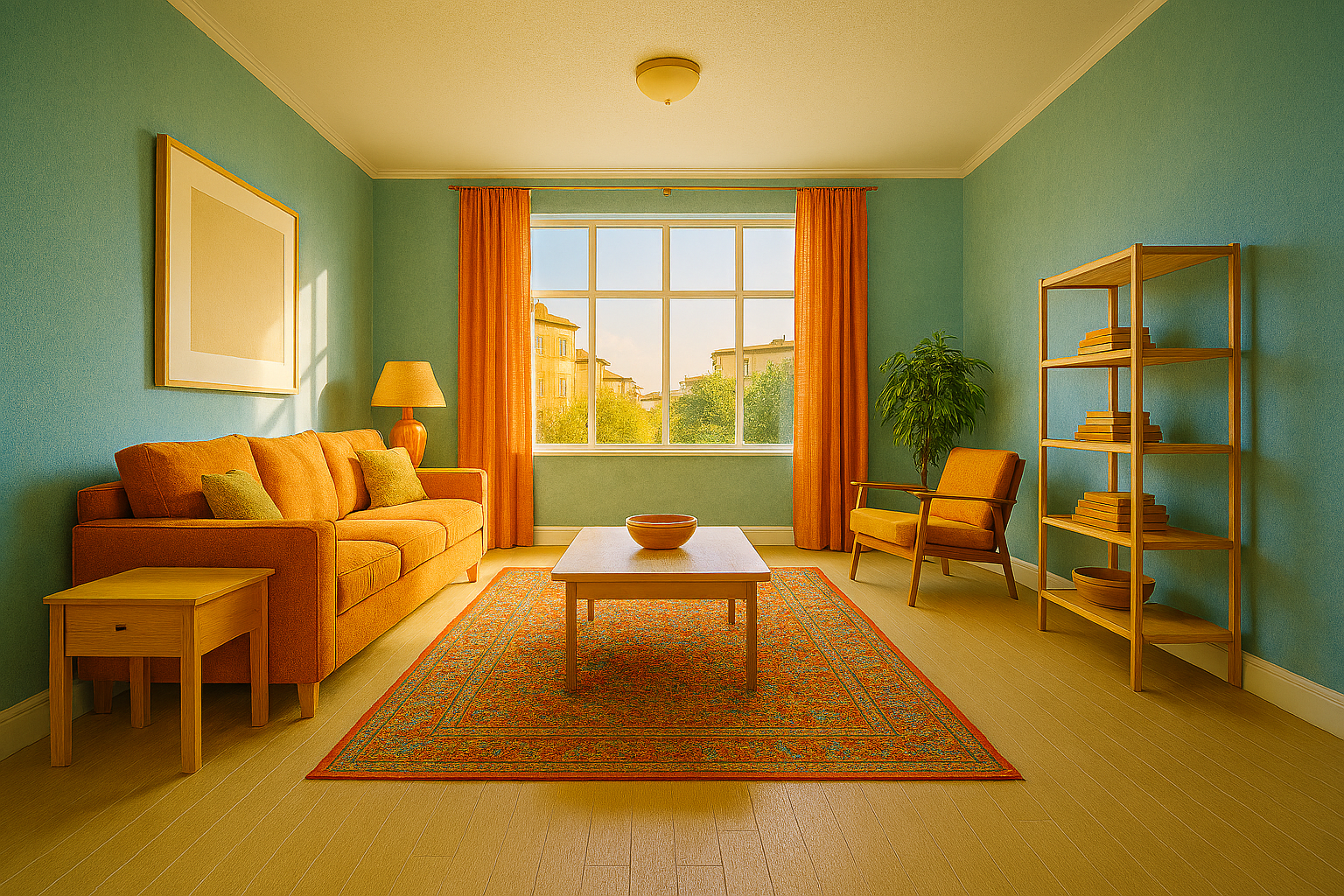
Tilt|Shift Lens Benefits
- Perspective: Objects show more accurate scale.
- Edge distortion: Distortion is reduced.
- Depth of field: Background will appear closer.
- Vertical Lines: Are accurately presented.
One challenge in photographing interiors is effectively showing scale and layout.
An Ultra Wide Angle lens is commonly used for interior shots because it captures the entire scene, however, these lenses make the center of the image look smaller and distort the edges.
The best option is a Tilt | Shift lens, which allows the photographer to shift the lens relative to the camera sensor. This enables the creation of separate images for each side of the room, which are combined in post-processing for a seamless result.
The images produced provide the width of an Ultra Wide Angle lens but with a more natural visual perspective, offering precision and creative control that highlights the true proportions of rooms and architecture.
Is there a place for Ultra-Wide lenses? Of course! They are best used for smaller spaces where you need more coverage of the foreground to communicate the depth of the room. Tilt|Shift lenses are better for larger spaces such as living rooms, dining rooms, kitchens, and the owner’s suite.
With a wide range of advanced photographic tools and experience we ensure exceptional images for your properties.
Aerial Photography
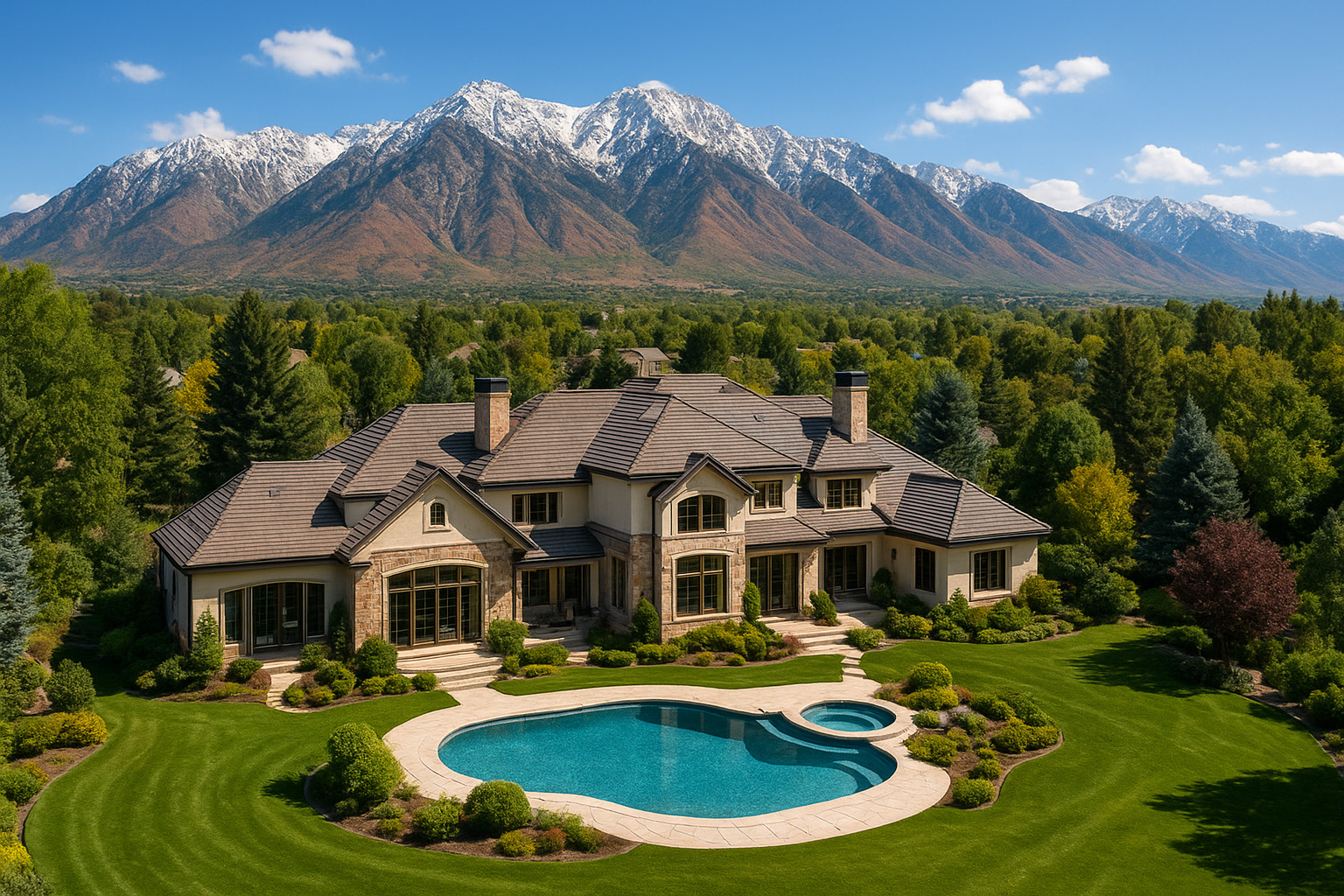
Aerial photography transforms real estate marketing by providing stunning bird’s-eye views that traditional ground shots cannot offer. This captivating perspective showcases a property’s context, surroundings, and unique features, allowing potential buyers to appreciate details they might overlook.
Whether emphasizing spacious yards, nearby amenities, or neighborhood beauty, aerial photography strengthens your marketing strategy, making properties more memorable and facilitating faster sales.
Twilight Photography
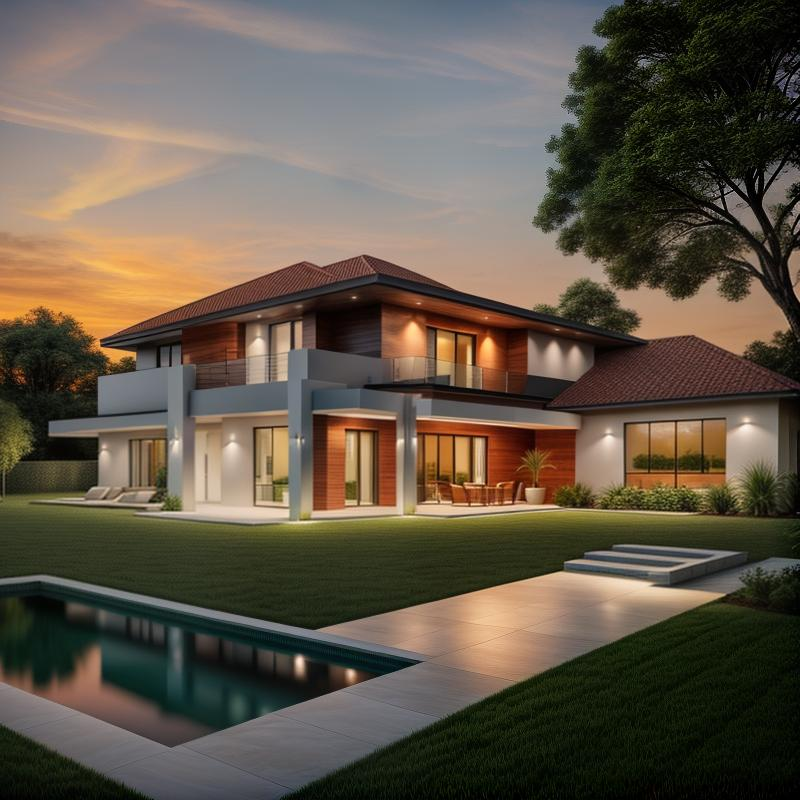
Twilight photography beautifully showcases real estate, transforming properties into enchanting spaces that attract potential buyers under a captivating sky.
As the sun sets, homes glow with warm light, emphasizing architectural features and landscaping in ways daylight cannot match.
By incorporating twilight photos into your marketing strategy, you elevate your listings and stir the emotions of buyers, helping them envision life in these stunning settings and setting your properties apart in a competitive market.
Portrait Photography